Beauty Parlor Stroke Syndrome: Causes, Symptoms, and Prevention
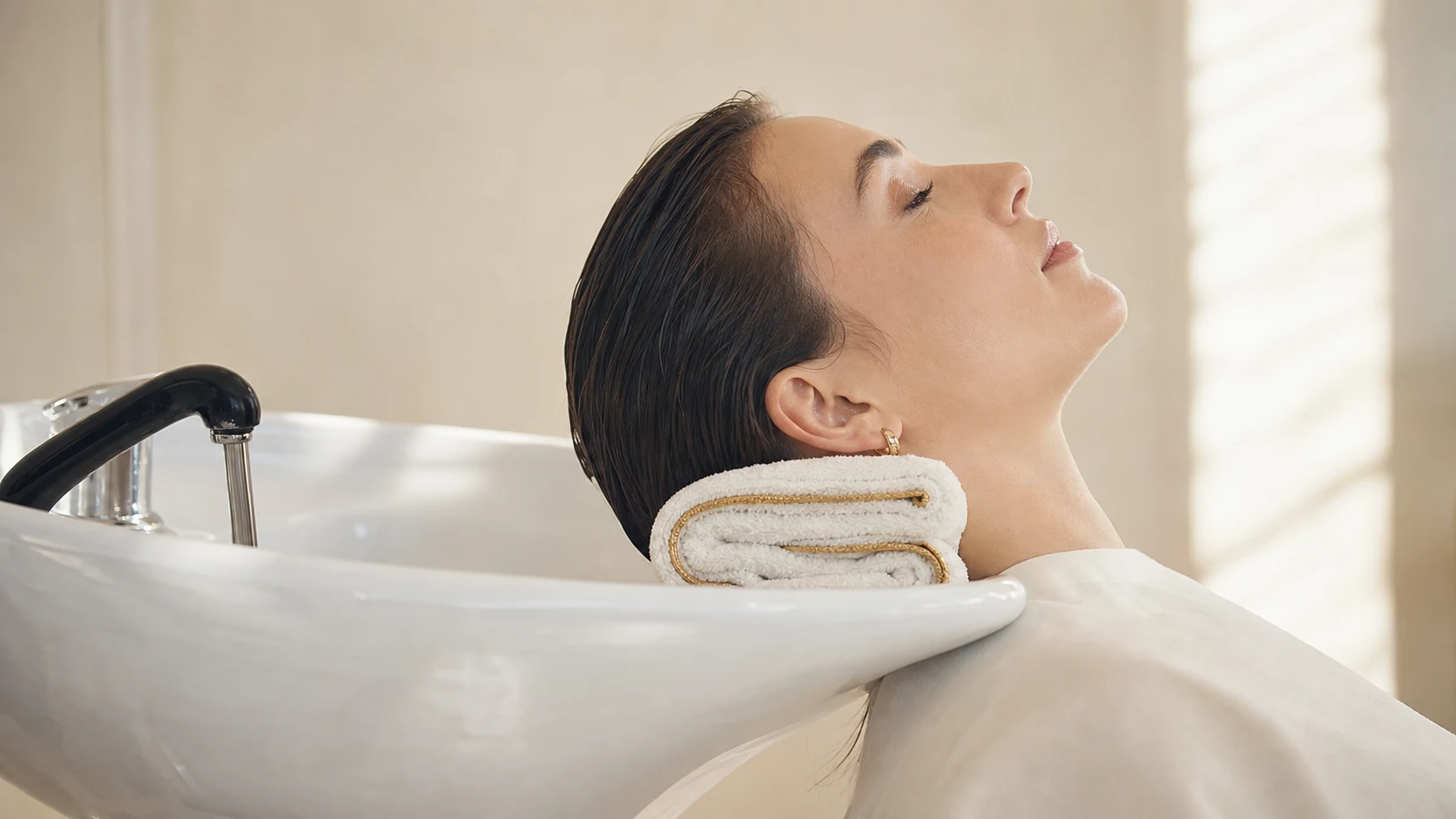
You can prevent beauty parlor stroke syndrome (BPSS) by keeping your neck out of extreme backward tilt at the salon shampoo basin. Ask for a forward-leaning sink, place a folded towel under your neck, keep the wash short, and speak up if you feel dizzy, lightheaded, or feel pressure at the base of your skull. The syndrome is rare, but it is real, and the people who go on to have a stroke usually had warning symptoms that could have been acted on sooner.
This is a clinician's read on what BPSS is, what to watch for, and how to make the salon trip safe, especially if you are over fifty or live with high blood pressure, cervical spondylosis, or atherosclerosis.
Key Takeaways
- BPSS is a posterior circulation stroke or TIA caused by prolonged neck hyperextension at the salon shampoo bowl, first described in the New England Journal of Medicine in 1993.
- The mechanism is compression or tearing (dissection) of the vertebral artery as it threads through the bones of the neck, cutting off blood flow to the brainstem and cerebellum.
- Symptoms often start with sudden vertigo, nausea, severe headache, or neck pain and can appear hours to days after the appointment, not just at the basin.
- Three changes prevent most cases: a forward-leaning sink, a folded towel for neck support, and a wash time under ten minutes.
- If symptoms appear, treat it as a stroke. Call 998 in the UAE. Time to scan and treatment decides the outcome.
What is beauty parlor stroke syndrome, and what causes it?
BPSS is the popular name for a stroke pattern Dr. Michael Weintraub identified in five women whose neurological symptoms began within minutes to days of a salon hair wash. His 1993 case series in the New England Journal of Medicine linked the events to prolonged hyperextension of the neck over the shampoo basin (Weintraub MI, JAMA 1993). The syndrome has been confirmed in case reports and reviews ever since.
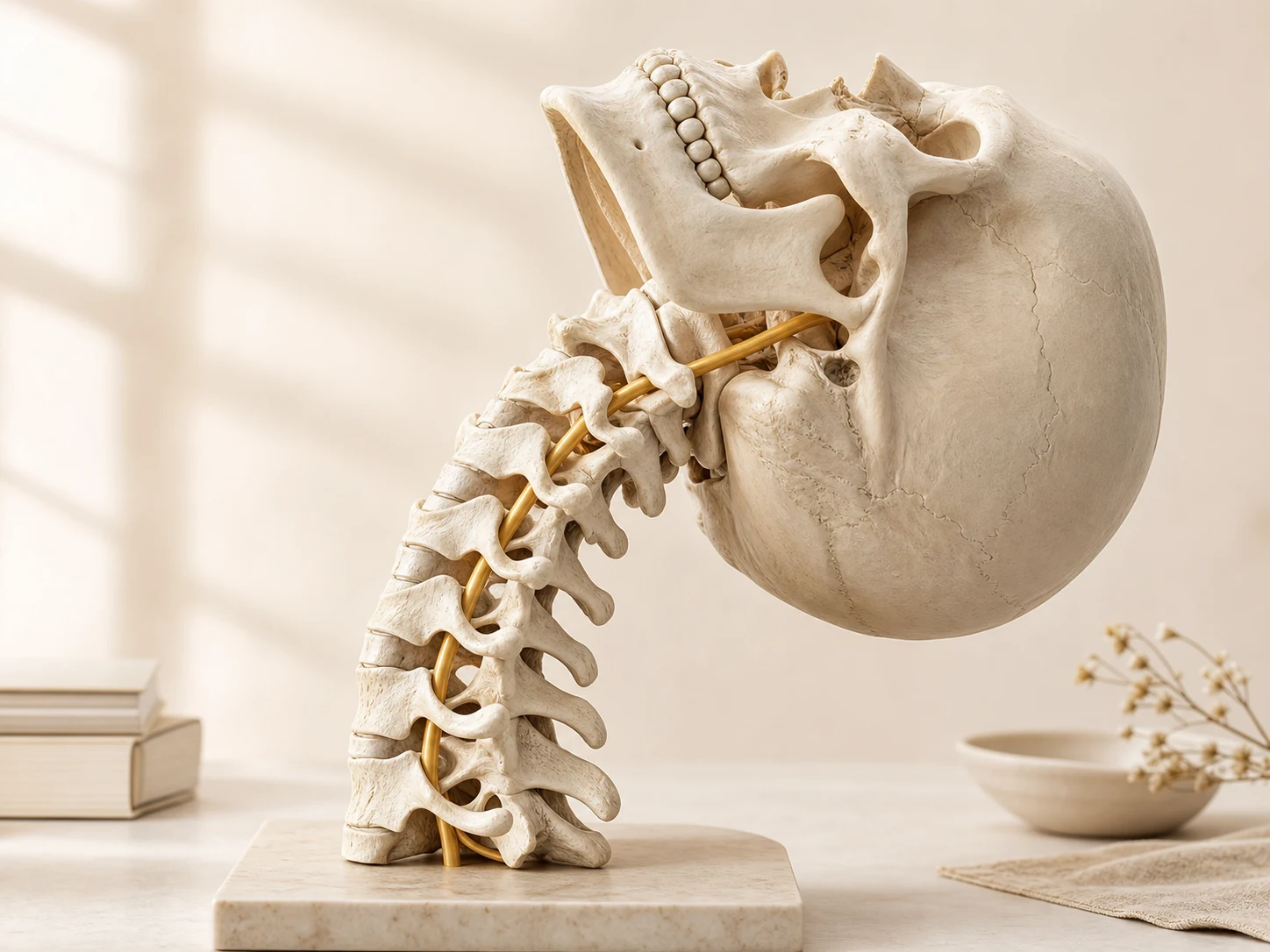
The mechanism is mechanical. Each vertebral artery climbs through small holes in the cervical vertebrae before joining at the base of the skull to feed the brainstem, cerebellum, and back of the brain. When the neck is bent sharply backward and held there, the artery can be compressed against bony spurs (common in cervical spondylosis) or pinched between vertebrae. In a smaller subset, the artery wall tears inwards, a vertebral artery dissection, and a clot forms (American Heart Association, Cervical Artery Dissection scientific statement, 2024). Either way, blood flow to the back of the brain drops, and a stroke or transient ischaemic attack follows.
Risk is not equal. The patients in Weintraub's original series were all women over fifty. Subsequent reviews flag the same risk factors that drive any vertebrobasilar stroke: age over fifty, high blood pressure, atherosclerosis, smoking, cervical osteoarthritis, anticoagulant use, and connective tissue disorders such as Ehlers-Danlos (Mayo Clinic, Vertebral artery dissection). Younger adults with healthy arteries are not exempt; severe, sustained hyperextension can injure a normal vessel.
Symptoms of BPSS, and when to act
The classic warning is sudden, severe dizziness or vertigo during or shortly after the shampoo, often with nausea or vomiting. A stabbing pain at the base of the skull or back of the neck is common, particularly when dissection is involved. Symptoms can begin at the basin, in the chair, on the drive home, or up to a week later as a small clot grows.
Treat any of the following as an emergency:
- Sudden vertigo, loss of balance, or unsteady walking
- Severe headache or back-of-neck pain, different from your usual headache
- Slurred speech, trouble forming words, or trouble swallowing
- Double vision, blurred vision, or a drooping eyelid
- Numbness or weakness on one side of the face or body
- Sudden hearing change, ringing, or fainting
The standard FAST test (face, arm, speech, time) catches anterior strokes, but posterior strokes from BPSS often present with balance, eyes, and brainstem signs instead, which is why they are missed. The Centers for Disease Control add a sixth letter, BE-FAST (balance and eyes), specifically to flag these (CDC, Stroke Signs and Symptoms).
In the UAE, call 998 for an ambulance. If you can speak, say "I think this is a stroke" and give the time the symptoms started; that single piece of information determines whether thrombolysis or thrombectomy is on the table.
How to prevent beauty parlor stroke syndrome at the salon
Three changes carry most of the protection.
1. Choose a forward-leaning sink, or ask to wash at home. A forward-leaning basin keeps the neck in a neutral position. Most modern Dubai salons now offer one as standard. If the salon only has a backward-tilt basin, ask if you can wash your hair before your appointment and arrive ready for the cut.
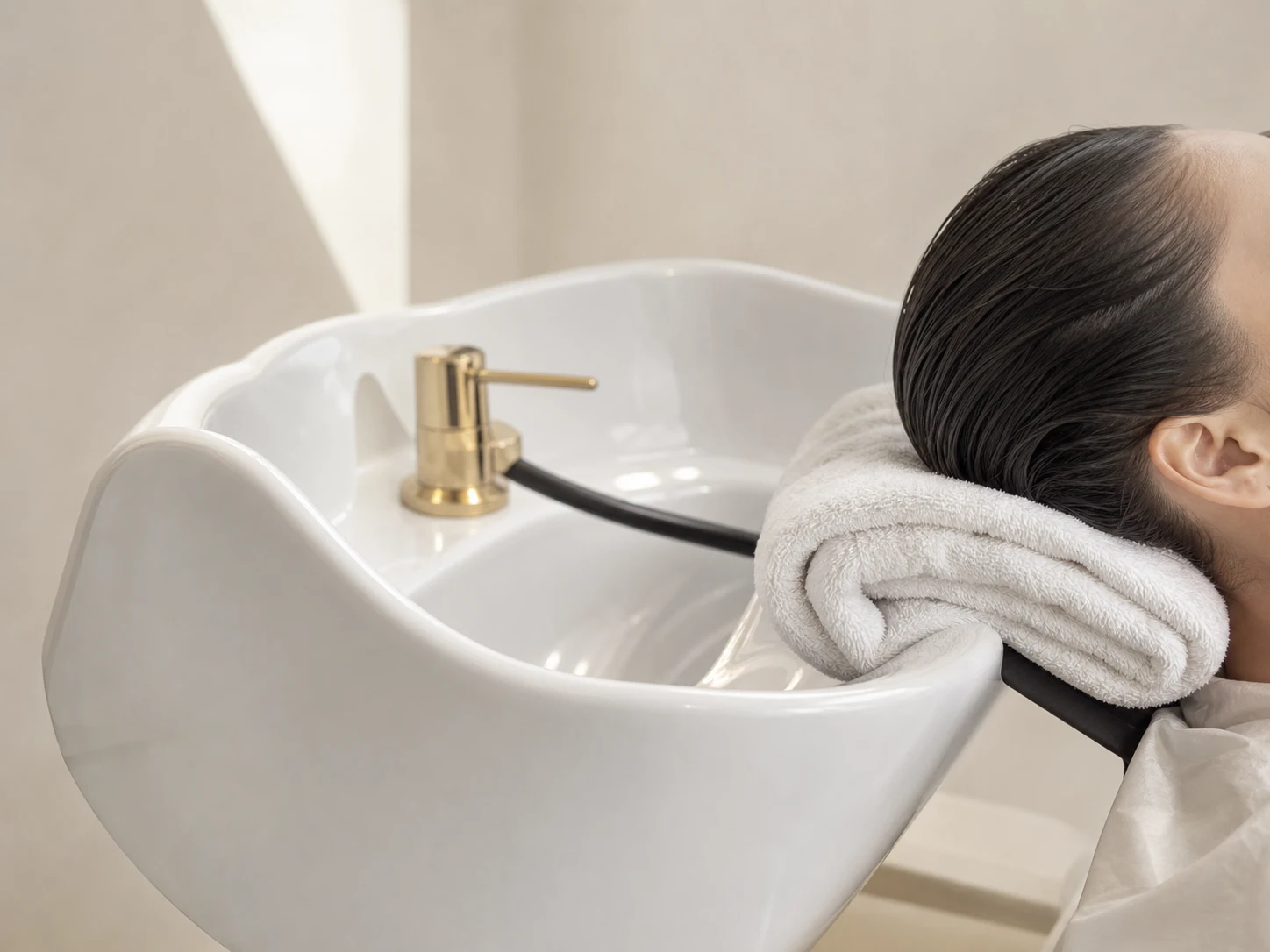
2. Support the neck. Place a folded towel or a purpose-made salon neck cushion in the curve of the bowl so the cervical spine is cradled, not hanging in mid-air. The British Association of Dermatologists and several stroke charities recommend this specifically (Stroke Association UK, Hair salon stroke advice).
3. Keep the wash short, and break the position. Aim for under ten minutes at the basin. Lift your head and roll the neck gently every few minutes for a long colour rinse or treatment. Ask the stylist to do the rinse-out faster, or split it into two shorter sessions.
A practical example. Aisha, 58, has well-controlled hypertension and mild cervical spondylosis. Her stylist in Jumeirah uses a backward-tilt basin. After a 25-minute keratin rinse last Ramadan, she had a sudden bout of vertigo and vomiting in the car. The DHA-licensed doctor BestDOC routed to her home, arriving inside the hour, recognised vertebrobasilar symptoms, sent her straight to the emergency department, and an MR angiogram confirmed a small vertebral artery dissection. She recovered fully on antiplatelet therapy. Two changes (folded towel, ten-minute cap) keep her safe at her next appointment.
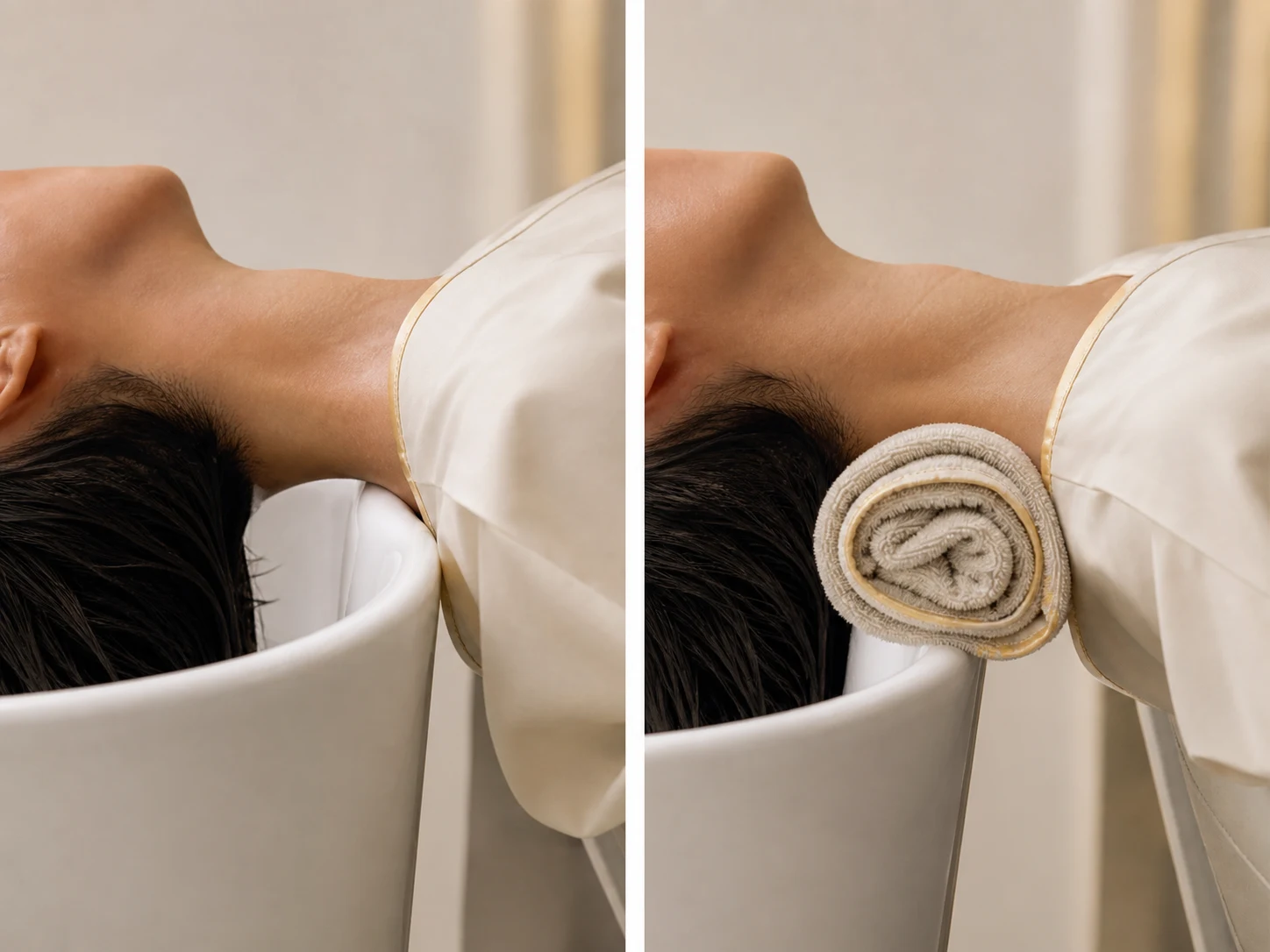
A short flag list for higher-risk clients to share with their stylist:
- Over 50, or with high blood pressure or known artery disease
- A diagnosis of cervical spondylosis, osteoarthritis of the neck, or recent neck injury
- On a blood thinner such as warfarin, apixaban, rivaroxaban, or aspirin
- A connective tissue condition such as Ehlers-Danlos or Marfan syndrome
- A previous stroke, TIA, or vertebral artery dissection
If any of these apply, ask for the chair to be reclined less, request a forward sink, or wash at home. If you are not sure where you stand, talk to a clinician about your case before your next appointment.
What if it has already happened: treatment and recovery
Acute BPSS is treated as any other stroke. Within the eligibility window, that means thrombolysis (clot-busting medication) or, for a large-vessel occlusion, mechanical thrombectomy. A confirmed vertebral artery dissection is usually managed with antiplatelet or anticoagulant therapy for three to six months (American Heart Association / American Stroke Association, 2024 Stroke Guidelines).
Recovery depends on the size and site of the infarct. Cerebellar strokes often leave balance and coordination problems that respond well to structured rehabilitation. BestDOC arranges home physiotherapy in Dubai for clients who are medically stable but not yet ready to travel for outpatient sessions, with a DHA-licensed physiotherapist working from a clinician-set plan. The same home nurse stays on the case visit after visit, handling medication, vitals, and wound care if a hospital line is still in place. Where high blood pressure or another long-term condition raised the risk in the first place, a doctor-signed chronic disease care plan keeps it controlled at home.
BestDOC is a DHA-licensed home healthcare practice covering all of Dubai, door to door, with most visits arriving in about 45 minutes. It is not an emergency service: if you have stroke signs call 998 first. For follow-up care, recovery, or to talk through your own risk before a salon appointment, the team is reachable 24/7 on the toll-free line +971 800 2378 362 or by WhatsApp.
Frequently asked questions
Is beauty parlor stroke syndrome common? No. Confirmed cases run in the dozens in the published literature, against millions of salon visits a year. The point of attention is that the cases that do occur are largely preventable.
Can men get BPSS? Yes. The original series was women because the salon shampoo basin was overwhelmingly a women's setting at the time. Men with traditional barber wash-back chairs face the same mechanical risk.
How long after the salon can symptoms appear? From minutes to about a week. A small dissection can seed a clot that grows over days, which is why a sudden severe headache or unusual vertigo any time in the week after a long shampoo deserves medical attention.
Disclaimer. Educational. Not medical advice. If you have signs of a stroke, call 998 in the UAE immediately. BestDOC operates under DHA and MOHAP regulation. Read more about our clinical team on the About BestDOC page.